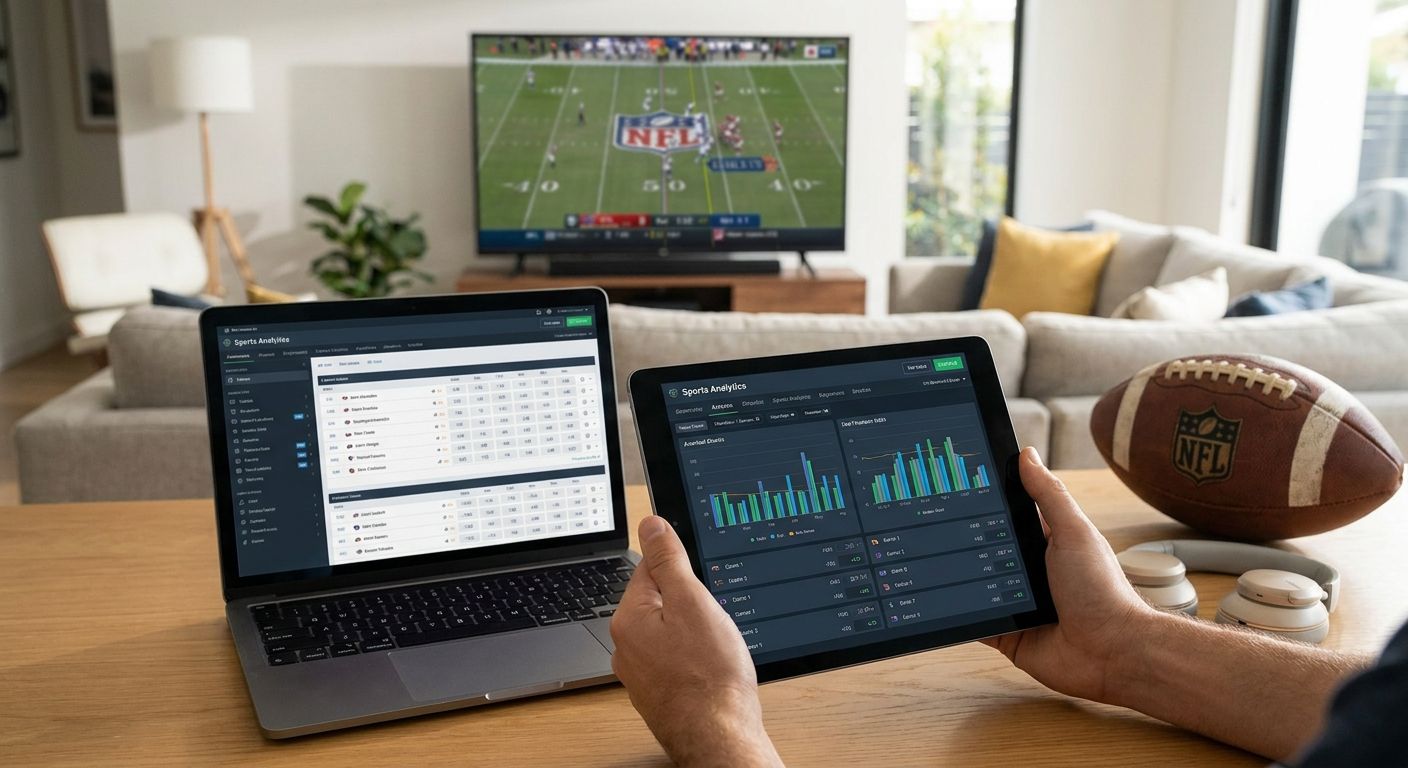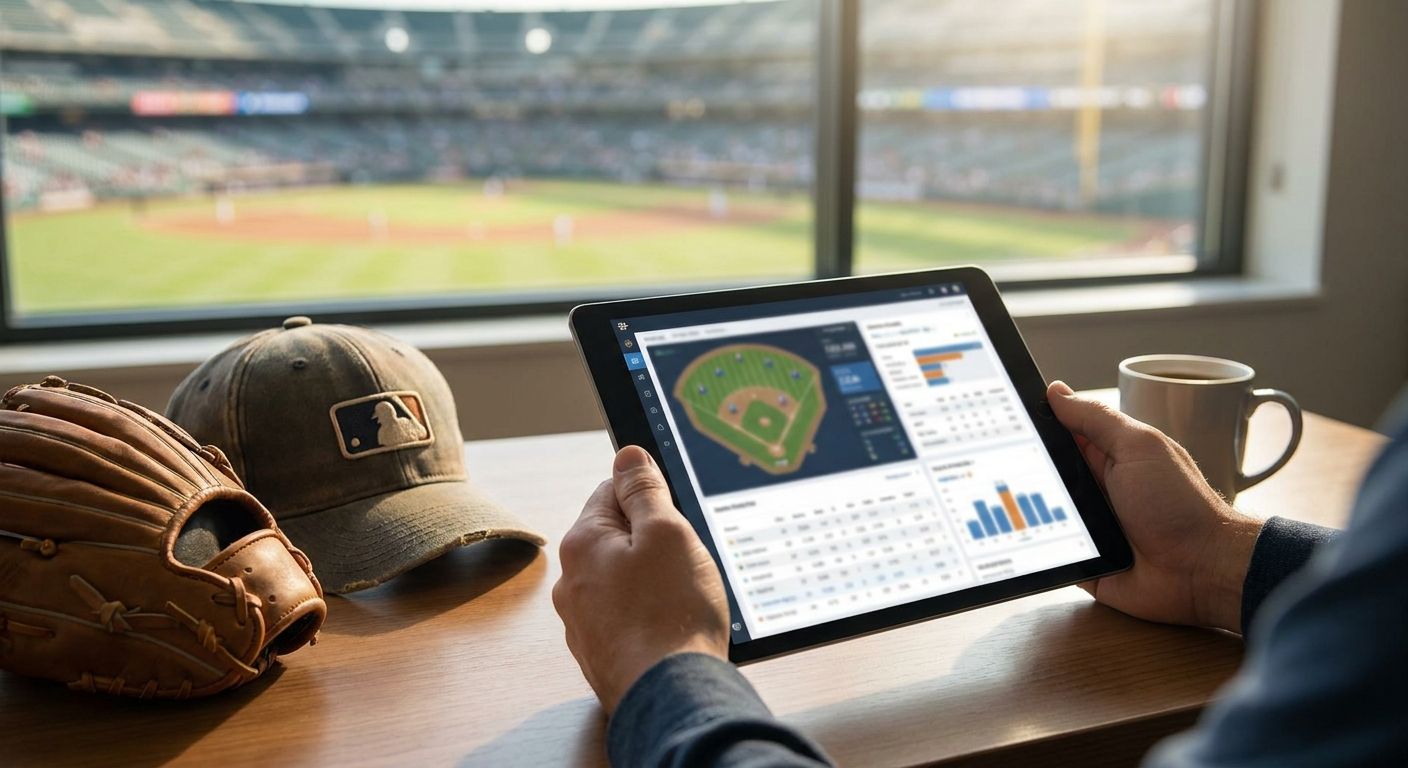
MLB betting software in 2026 ranges from single-purpose odds comparison sites to full platforms that scan for arbitrage, track line movement, and log every wager across MLB, NFL, NBA, and NHL — the right pick depends on whether you shop lines occasionally or hunt value every night of a 162-game season.
- VigWatch wins overall for MLB bettors who want odds comparison, arbitrage detection, +EV scanning, and bet logging in one place.
- Dedicated odds comparison sites beat all-in-one platforms for bettors who only need pregame line shopping.
- Arbitrage betting software fits bettors chasing guaranteed profit across two or more sportsbooks.
- Line movement tracking tools matter most for bettors who bet MLB totals and moneylines before first pitch.
- A manual spreadsheet stays a free option but can't match real-time odds refresh across a 2,430-game MLB season.
Why this matters
MLB runs 30 teams through a 162-game schedule, which adds up to roughly 2,430 games league-wide in a full season. That volume means lines move constantly on pitching probables, weather, and late lineup scratches, sometimes within minutes of first pitch.
Sportsbooks don't price MLB games the same way. Different limits, different clientele, and different risk appetite across books create gaps between one sportsbook's number and another's on the same game. Manual line shopping across 8-10 sportsbooks for 15 games a night doesn't scale — either software automates the comparison or you leave value on the table every day of the season.
The ranked verdict
Best overall: VigWatch, for bettors who want odds comparison, arbitrage detection, +EV scanning, and bet logging in a single MLB betting software subscription. Best for pure line shopping: dedicated odds comparison sites. Best for guaranteed profit: arbitrage betting software. Best free option: a manual spreadsheet paired with a no-vig calculator.
What makes the best MLB betting software
- Sportsbook coverage — how many books get compared for every MLB game, not just the two or three biggest names.
- Refresh speed — how fast lines update as pitching probables, weather, and lineups change before first pitch.
- +EV and arbitrage detection — whether the software flags mispriced lines automatically or leaves you to spot them by hand.
- Line movement history — whether you can see how a number has moved since the game opened, not just where it sits now.
- Bet logging and bankroll tracking — whether wagers across MLB and other leagues land in one record you can actually review.
- Multi-league support — useful if you also bet NFL, NBA, or NHL and don't want three separate logins.
MLB betting software at a glance
| Software | Best for | Standout feature | Key limitation |
|---|---|---|---|
| VigWatch | All-in-one MLB betting | Odds comparison, arbitrage/+EV scanning, and bet logging in one login | Built across four leagues, so MLB isn't the only focus |
| Odds comparison sites | Pregame line shopping | Side-by-side lines across sportsbooks | No arbitrage or +EV alerts — you do the math |
| +EV betting scanners | Finding mispriced MLB lines | Surfaces positive expected value bets automatically | Edges are often small and short-lived |
| Arbitrage betting software | Guaranteed-profit plays | Flags cross-book price gaps automatically | Needs funded accounts across multiple books |
| Line movement tracking tools | Chasing steam and reverse line movement | Historical line charts from open to close | Doesn't tell you which side has the better number right now |
| Manual spreadsheet + no-vig calculator | Budget bettors | Free, fully customizable | Slow, no real-time alerts, breaks down at volume |
1. VigWatch: best MLB betting software for all-in-one coverage
VigWatch compares odds across sportsbooks for every MLB game, tracks how lines move from open to close, scans for arbitrage and +EV opportunities, and logs bets in one place across MLB, NFL, NBA, and NHL. It's built for the bettor who doesn't want to run four separate tools to do what one platform can handle.
VigWatch pros:
- Compares odds across sportsbooks so you see the best number before you bet, not after
- Scans for arbitrage and +EV spots instead of forcing you to calculate vig by hand on every line
- Tracks line movement so you can see how a number shifted since the game opened
- Logs bets across MLB, NFL, NBA, and NHL in a single record
VigWatch cons:
- Built for bettors across four major leagues, so the interface carries more than an MLB-only tool would
- Value scales with how many sportsbooks you actually hold accounts at — fewer books means fewer lines to compare
Best for: bettors who want line shopping, arbitrage, +EV scanning, and bet tracking in one MLB betting software platform. Verdict: Buy.
2. Odds comparison sites: best for pure line shopping
Dedicated odds comparison sites do one job: show the same MLB line across multiple sportsbooks side by side. No arbitrage math, no +EV flags, no bet log — just the numbers.
Odds comparison pros:
- Fast to scan, no learning curve
- Usually free to browse before you place a bet
- Good enough if you already know which side you're betting
Odds comparison cons:
- No automated arbitrage or +EV detection
- You still calculate your own edge against the vig
Best for: bettors who already have a pick and just want the best price on it. Verdict: Hold — pair it with a no-vig calculator if you want to know your actual edge, not just the best number.
3. +EV betting scanners: best for finding mispriced MLB lines
+EV scanners surface bets where the market price sits below the true probability of the outcome, based on comparing multiple sportsbooks' lines against each other. In MLB, that usually shows up on lower-liquidity markets like player props or first-five-innings totals, where books price less carefully than on the marquee moneyline.
+EV scanner pros:
- Automates the math instead of manual comparison across 8-10 sportsbook tabs
- Works well on high-volume nights with 12-15 MLB games
+EV scanner cons:
- Edges are often small and close fast once other bettors move on them
- Requires accounts at enough sportsbooks to act on what the scanner finds
Best for: volume bettors comfortable placing smaller-edge bets across a full MLB slate. Verdict: Buy for volume bettors, Skip for casual bettors who place a handful of MLB bets a week.
4. Arbitrage betting software: best for guaranteed-profit plays
Arbitrage betting software flags moments where two sportsbooks disagree on a line enough that betting both sides locks in a profit regardless of outcome. It's mechanical, not predictive — the software finds the price gap, you place both bets.
Arbitrage software pros:
- Locks in profit independent of the actual game result
- Works across any MLB market where two books diverge enough
Arbitrage software cons:
- Needs funded accounts and split bankroll across multiple sportsbooks
- Sportsbooks can limit accounts that arbitrage heavily
Best for: bettors with accounts at several sportsbooks who are fine splitting stakes to lock in a spread. Verdict: Hold — it only works while your account limits stay high enough to place both sides.
5. Line movement tracking tools: best for chasing steam
Line movement tracking tools chart how a number has shifted from the opening line to where it sits now. For MLB bettors, that history matters more than in other sports because lines can move several times between the morning release and first pitch on pitching changes and weather.
Line movement tool pros:
- Shows whether sharp money has pushed a line since it opened
- Useful for confirming a bet you already placed early
Line movement tool cons:
- Doesn't tell you which sportsbook currently has the best number
- History alone doesn't replace a cross-book odds comparison
Best for: bettors who bet early and want confirmation the market is moving their direction. Verdict: Buy for bettors who already bet MLB lines before the day's lineups are set.
6. Manual spreadsheet + no-vig calculator: best free option
A spreadsheet paired with a no-vig calculator strips vig off a posted line to show the implied true probability behind it. It costs nothing beyond time and works fine for a bettor placing a few MLB wagers a week.
DIY tracking pros:
- Free and fully customizable to how you bet
- No dependency on a third-party platform
DIY tracking cons:
- No real-time alerts — you're checking lines manually
- Breaks down once you're tracking more than a handful of games a night
Best for: bettors just getting started who bet MLB casually. Verdict: Wait — upgrade to dedicated MLB betting software once you're placing bets on more than a few games a night.
How we ranked
Each entry above is scored against the six criteria listed earlier: sportsbook coverage, refresh speed, +EV and arbitrage detection, line movement history, bet logging, and multi-league support. VigWatch ranks first because it's the only option here covering all six in one login; the rest rank by how well they cover the one or two criteria they specialize in.
Which MLB betting software should you choose?
If you bet MLB most nights of the season and want one platform for line shopping, arbitrage, +EV, and bet logging, VigWatch is the default pick for 2026. If you only need to find the best price on a pick you've already made, a dedicated odds comparison site does that job without extra features you won't use. Bettors chasing guaranteed profit across books should look at dedicated arbitrage betting software instead, and casual bettors placing a few MLB wagers a week can stick with a spreadsheet and a no-vig calculator until volume justifies an upgrade.
Compare MLB odds in one place
See line shopping, arbitrage, and +EV scans across sportsbooks.
FAQ
What is the best MLB betting software in 2026?
VigWatch is the best overall MLB betting software in 2026 for bettors who want odds comparison, arbitrage detection, +EV scanning, and bet logging in one platform. Bettors who only need line shopping can use a dedicated odds comparison site instead.
Is VigWatch better than a standalone odds comparison site?
VigWatch does more than a standalone odds comparison site because it adds arbitrage and +EV scanning plus bet logging across MLB, NFL, NBA, and NHL. A standalone comparison site is lighter if all you need is the best price on a pick you've already made.
How much does MLB betting software cost in 2026?
Pricing varies by provider and by which features you need, from odds comparison alone to full arbitrage and +EV scanning. Check the provider's site directly for current plans before signing up.
What's the difference between +EV betting and arbitrage betting?
+EV betting targets a single line priced below its true probability, meaning the bet wins over the long run but individual bets can still lose. Arbitrage betting locks in a guaranteed profit by betting both sides of a game across two sportsbooks that disagree on price.
Do I need MLB-specific software or can I use a general sports betting tool?
A general tool that covers MLB, NFL, NBA, and NHL works fine as long as it refreshes MLB odds fast enough to catch pitching and weather-driven line moves. MLB-only tools aren't necessary unless you bet no other sport.
How often should MLB odds update in betting software?
MLB lines can move multiple times between the morning release and first pitch on pitching changes, weather, and lineup scratches. Software that only refreshes once or twice a day misses most of that movement.
Can I track bets across multiple leagues in one platform?
Yes — platforms like VigWatch log bets across MLB, NFL, NBA, and NHL in a single record instead of requiring separate tracking per league. That matters most for bettors active across more than one sport at a time.
Is arbitrage betting legal in 2026?
Arbitrage betting is legal anywhere sports betting itself is legal, since it's just placing two ordinary bets at two different sportsbooks. Sportsbooks can still limit or close accounts that arbitrage heavily, which is an account-management risk rather than a legal one.
One last thing
A full MLB season runs about 2,430 games across 30 teams, more than four times the NFL's roughly 272-game slate. That volume is exactly why MLB betting software pays off more than in lower-volume sports — the number of nightly games where sportsbooks disagree on price is simply higher, and catching that gap consistently over 162 games is what separates software-assisted bettors from ones checking lines by hand.